Is Pinacoteca Ambrosiana Free?
No, the Pinacoteca Ambrosiana is a paid private gallery, but there are free art sights around it and free-entry schemes elsewhere in Milan worth knowing.
Is Pinacoteca Ambrosiana Free?
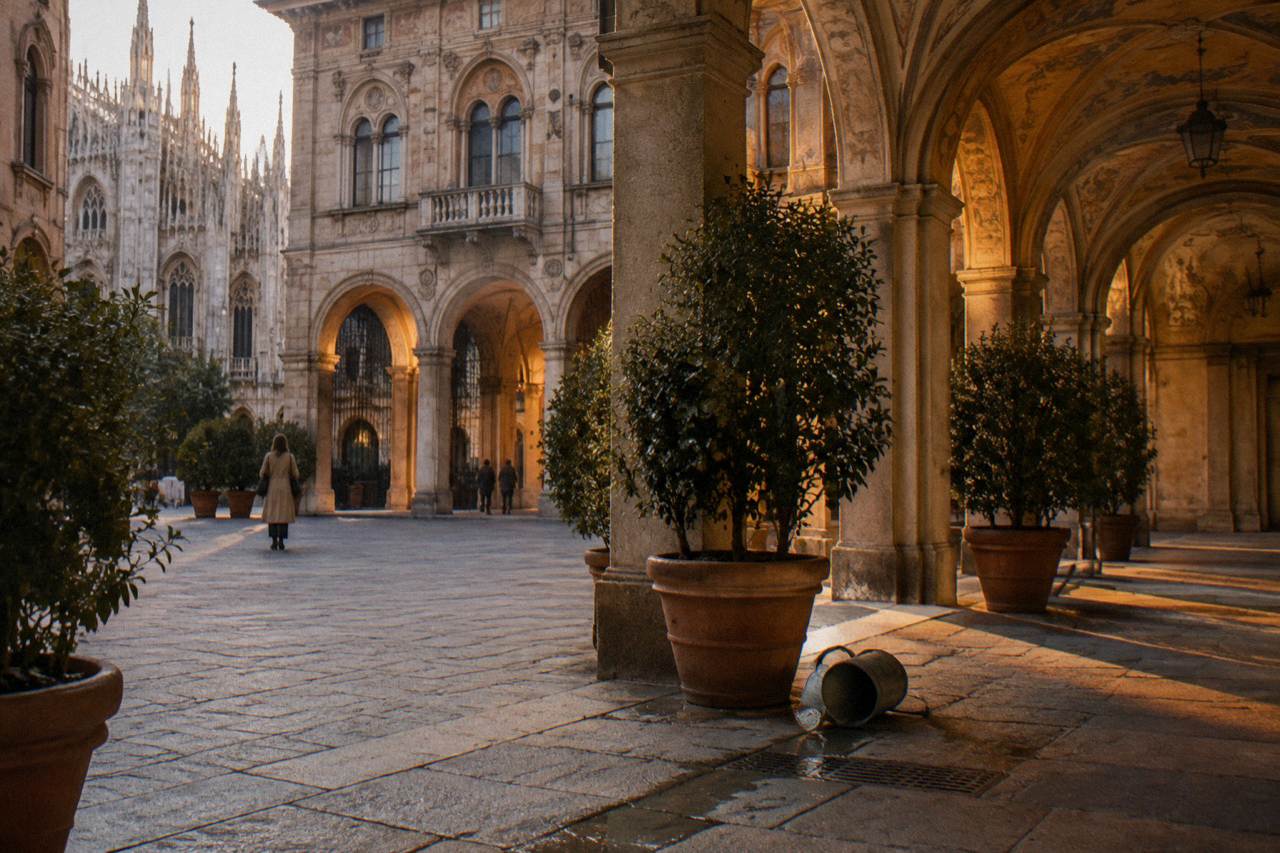
No. The Pinacoteca Ambrosiana is a paid, privately run gallery, and no free-entry scheme in Milan covers it. It is not a state museum, so the national first-Sunday scheme does not apply, and it is not a civic museum, so Milan's own free-day rules do not apply either. You pay for a timed ticket whenever you visit. The building's exterior, the courtyard and the surrounding streets, though, cost nothing at all.
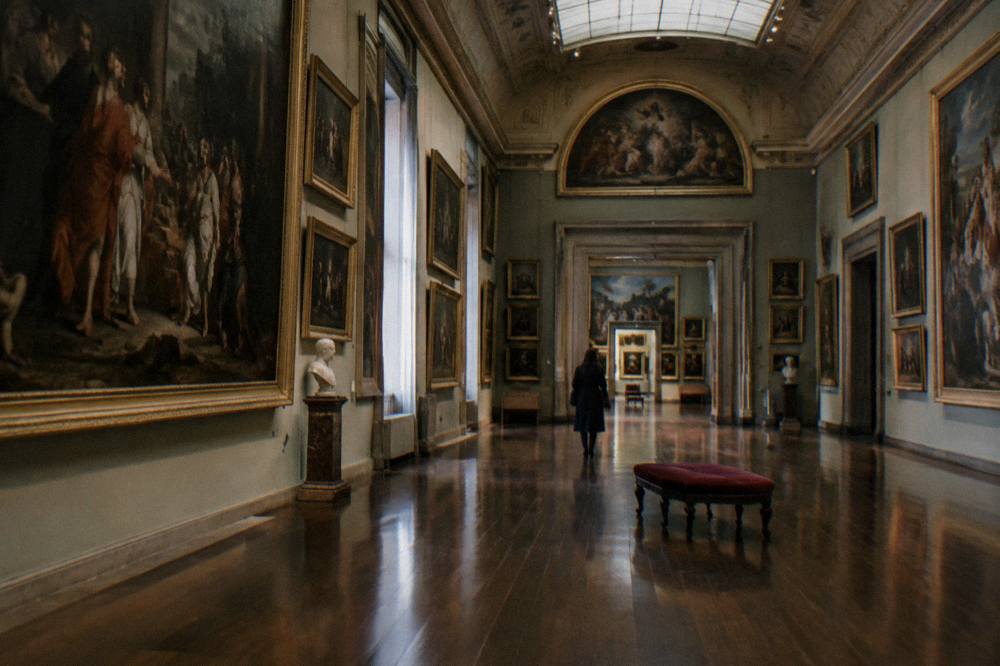
That short answer matters because Milan's free-museum landscape is genuinely confusing, and the Ambrosiana gets swept into it by mistake more often than almost any other venue. The gallery sits inside the Palazzo dell'Ambrosiana a few minutes' walk from the Duomo, in the heart of the most expensive museum district in the city. It holds one of Italy's great private art collections, built around Cardinal Federico Borromeo's founding bequest, with Leonardo's Portrait of a Musician and Caravaggio's Basket of Fruit as its two most famous canvases. A collection of that calibre, in a private institution that receives no state free-entry mandate, was never going to be walk-in free.
The confusion usually starts with the name. People read about the Pinacoteca di Brera, Milan's state-run picture gallery, being free on the first Sunday of the month under the national Domenica al Museo scheme, and the word "Pinacoteca" does the rest. The two galleries are different institutions with different owners, different ticketing rules and different free-day coverage. Brera is state. The Ambrosiana is private, governed by the Veneranda Biblioteca Ambrosiana institution that Cardinal Borromeo founded, and private museums in Milan set their own entry terms.
There is a second, smaller source of confusion: free walking tours. Several of Milan's pay-what-you-want walks pass through the streets around the Ambrosiana, and some visitors assume that joining one includes gallery entry. It does not. A free walk gets you the outside of the building, the piazza and the stories, and the gallery remains a separately ticketed visit. If you want both the narration and the paintings, the walk and the ticket are two different transactions.
If a guided experience of the neighbourhood is what you are after, three pay-what-you-want options cover this ground well.
The 2H30 Monumental Walk from Puente Tours, rated 4.77 out of 5 across 303 GuruWalk reviews, runs in English and Spanish and takes in the Duomo, the Galleria and the castle. The Express Walk from Frog Free Walking Tour, rated 4.46 out of 5 across 973 GuruWalk reviews, is a shorter English-only circuit. Frog's Morning and Afternoon Walk, rated 4.5 out of 5 across 273 GuruWalk reviews, covers similar central ground at two different times of day. None of them enters the Ambrosiana, but all of them put you within a few minutes of its door.
How Much Does The Pinacoteca Ambrosiana Cost?
The Ambrosiana charges a full-price adult ticket for gallery entry, with reduced rates for the usual categories such as students and seniors, and the current figure is stated on the venue's own ticketing page. Because it is a private institution, its prices are set independently and can change with exhibitions, this article does not print a number that could drift out of date. Booking in advance is generally the practical choice, since timed slots sell out on busy days.
The venue runs its own ticketing and publishes its current fares and opening calendar on its official site, and that is where the live number lives. What can be stated firmly is the structure: a full adult ticket, reduced tickets for visitors who qualify, and combined options that bundle the picture gallery with the historic reading room of the Biblioteca Ambrosiana when those visits are available. The library's reading room, with its famous spiral staircase and barrel-vaulted hall, is a separate experience from the paintings, and the combined ticket is the way most visitors see both.
| What you are buying | Typical cost basis | Free-day coverage |
|---|---|---|
| Pinacoteca Ambrosiana gallery ticket | Paid, price on the venue's own site | None, private museum |
| Ambrosiana combined gallery and library ticket | Paid, higher than gallery alone | None, private museum |
| Palazzo dell'Ambrosiana exterior and courtyard streets | Free, public space | Always free |
| Nearby Piazza del Duomo and Galleria Vittorio Emanuele II | Free, public space | Always free |
Set against that, the practical advice is simple. If the Ambrosiana's two star paintings are the reason you are in Milan, budget for the ticket and book the slot. If you are assembling a low-cost art itinerary, treat the Ambrosiana as the one paid splurge and build the free layer around it, which the rest of this article shows you how to do.
For context on what a paid ticket buys elsewhere in the district: Milan's civic museums charge full tickets in the roughly €5 to €10 range per venue under the policy the city updated in 2026, with the Castello Sforzesco collections and the Museo del Novecento at the upper end, per the Comune di Milano's civic museums ticketing page. The Ambrosiana, as a private gallery with a world-class collection, prices above that civic band, which is consistent with how private institutions across the city behave.
If you are pairing the gallery visit with a guided morning through the monumental quarter, the 2H30 Monumental Walk is the natural companion, and you can reserve a place without paying anything up front.
Is The Pinacoteca Ambrosiana Covered By The Free First Sunday Scheme?
No. The national Domenica al Museo scheme applies only to state-run museums, and in Milan that means the Pinacoteca di Brera and the Cenacolo Vinciano, not the Ambrosiana. The city's own civic-museum scheme covers the Castello Sforzesco collections, the Museo del Novecento and GAM, and it does not apply either. The Ambrosiana, as a private institution, sits outside both schemes entirely, so no first-Sunday or second-Tuesday free entry exists for it.
This is the single most useful thing to understand about free museums in Milan, and it is explained in full in the site's guide to first Sunday free museums in Milan. There are three separate schemes and they never generalise across each other. The national scheme, run by the culture ministry, opens state museums free on the first Sunday of the month. Milan's civic scheme, run by the city, opens civic museums free on the first Sunday for everyone and on the second Tuesday for visitors up to 25. Private museums, the Ambrosiana included, set their own rules.
The nearest state beneficiary is Brera, and even Brera's free day carries a catch worth knowing: the free first-Sunday entry requires a mandatory reservation through the gallery's own booking system, per the Pinacoteca di Brera's Domenica al Museo notice. The nearest civic beneficiaries are the castle collections and the Museo del Novecento. If your Milan dates include a first Sunday and art is the priority, the honest itinerary is Brera by reservation that day, the civic museums free, and the Ambrosiana paid on whatever day suits you.
What Can You See For Free Around The Pinacoteca Ambrosiana?
Plenty. The Palazzo dell'Ambrosiana's exterior and the streets around it cost nothing, Piazza del Duomo and the Galleria Vittorio Emanuele II are both free public spaces a few minutes away, and the church of Santa Maria presso San Satiro, with Bramante's famous trompe l'oeil apse, is free to enter practically next door. The paid gallery is one building; the free neighbourhood around it is a full morning's worth of sightseeing.
Start with the palace itself. The Ambrosiana occupies a block of central Milan where the architecture is the attraction, and walking the perimeter costs nothing. From there, the standard free route runs east toward the Duomo: Piazza del Duomo is a free public square, the Galleria Vittorio Emanuele II is a free public shopping gallery with one of the most photographed glass domes in Italy, and both are within a ten-minute walk of the gallery door.
The sleeper item is Santa Maria presso San Satiro, a small church a short walk from the Ambrosiana that most visitors walk past without knowing what is inside. Donato Bramante's painted apse is one of the earliest and best examples of forced-perspective architecture in Europe, a flat wall that reads as a deep vaulted choir, and the church is free to enter during normal opening hours. For a visitor who has just paid for the Ambrosiana, this is the free counterweight in the same quarter.
The monumental core of the city, from the Duomo through the Galleria to Castello Sforzesco and its always-free courtyards and grounds, is exactly the ground that pay-what-you-want walks cover best.
The 2H30 Monumental Walk, rated 4.77 out of 5 across 303 GuruWalk reviews, meets on Via Croce Rossa and runs in English and Spanish, linking the gallery quarter to the castle in one guided sweep. The castle's outer courtyards are free and open daily, a point the site covers in detail in its guide to Parco Sempione and Sforza Castle views. Only the museums inside the castle carry tickets, and those fall under the civic scheme described above.
The other walk worth naming for this exact ground is the 2H45 Wonders Walk from CITYWALKERS, rated 4.9 out of 5 across 2,916 GuruWalk reviews, the largest review pool of any free walk in the city. It meets at Piazza del Duomo and runs in English and Spanish, and its route passes within sight of the Ambrosiana's block.
Between the two, the choice is pace and depth: the Monumental Walk spends longer at the castle end, the Wonders Walk spends longer in the Duomo quarter where the Ambrosiana sits.
Which Free Art Alternatives Does Milan Offer Instead?
Milan has one major art venue that is genuinely free with no ticket, Pirelli HangarBicocca, plus a conditional layer: Brera free on the first Sunday with a reservation, the civic museums free on the first Sunday and for under-25s on the second Tuesday, and a set of always-free churches with major frescoes. A visitor who skips the Ambrosiana can still see serious art in Milan without paying anything, on the right days.
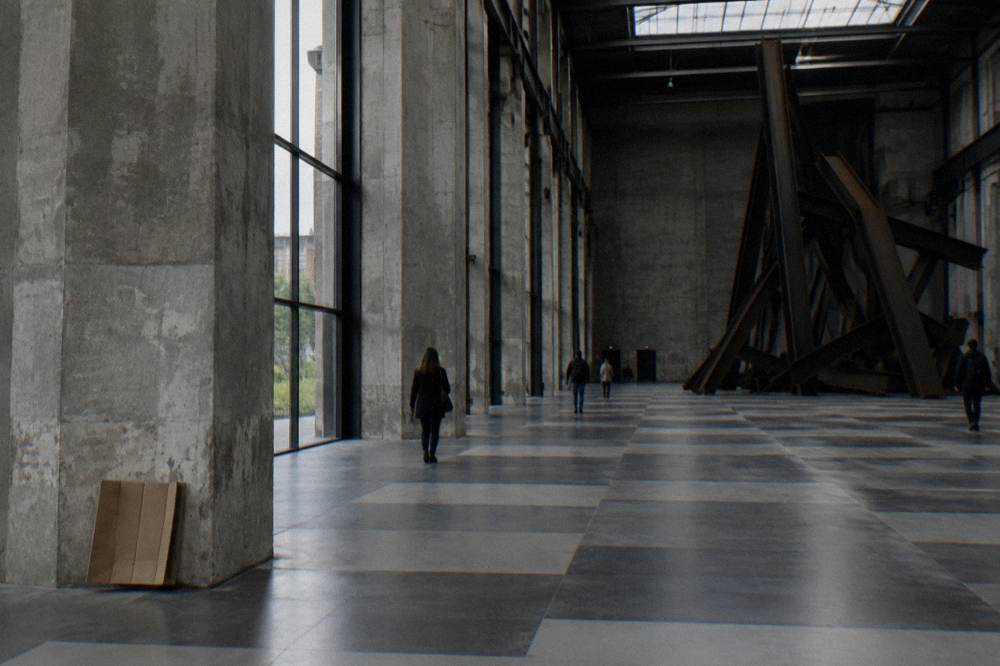
Pirelli HangarBicocca is the standout. It is a vast industrial contemporary art space in the Bicocca district, and its general admission is completely free with no ticket required, a policy the foundation states plainly on its own contacts and visit page. For a space of that scale it is an unusually generous arrangement, and it makes the HangarBicocca the anchor of any zero-euro art day in Milan. Online booking is recommended for busy periods but there is no charge either way.
| Venue | Type | Free status |
|---|---|---|
| Pirelli HangarBicocca | Contemporary art, private foundation | Free always, no ticket |
| Pinacoteca di Brera | State picture gallery | Free first Sunday, reservation required |
| Castello Sforzesco museums | Civic | Free first Sunday, and second Tuesday for under-25s |
| Museo del Novecento | Civic | Free first Sunday, and second Tuesday for under-25s |
| San Maurizio al Monastero Maggiore | Church | Free always, major frescoes |
| Pinacoteca Ambrosiana | Private gallery | Paid, no free days |
The church layer deserves its own sentence. San Maurizio al Monastero Maggiore, often called the Sistine Chapel of Milan for its wall-to-wall frescoes, is free to enter as a working church, and it sits closer to the Ambrosiana than almost any other major sight in the city. Sant'Ambrogio, the city's most ancient basilica, is likewise free. These are not museums, so opening hours follow church schedules rather than ticketing windows, but the art inside is first-rank and the price is zero. The site's guide to the best free and budget museums in Milan maps the full paid-versus-free picture, and the question of whether Brera is free to visit has its own full answer elsewhere on Free Things To Do In Milan.
So the honest closing position on the Ambrosiana is this: it is a paid gallery, it will stay a paid gallery, and no scheme is coming to change that. Pay for it if Leonardo's Portrait of a Musician matters to you, because the collection justifies the ticket. Otherwise, spend nothing, walk its streets, see Bramante's apse and San Maurizio's frescoes, save the HangarBicocca for a free afternoon, and let a pay-what-you-want walk stitch the whole district together.
If you want that walk sorted before you arrive, these three cover the ground around the gallery from three different angles.
Common Questions About Pinacoteca Ambrosiana
Is Pinacoteca Ambrosiana Free?
No. It is a paid, privately run gallery and no state or civic free-entry scheme covers it. You buy a timed ticket whenever you visit, at the price stated on the venue's own ticketing page.
Is The Pinacoteca Ambrosiana The Same As The Pinacoteca Di Brera?
No. Brera is the state-run picture gallery covered by the national first-Sunday free scheme, with a mandatory reservation. The Ambrosiana is a separate private institution, with its own collection and its own paid ticketing.
Can You See The Ambrosiana's Paintings For Free On A First Sunday?
No. The first-Sunday scheme covers state museums only, and in Milan that means Brera and the Cenacolo Vinciano. The Ambrosiana is private and sets its own entry terms, which do not include a free day.
What Is Free Near The Pinacoteca Ambrosiana?
The palace exterior and surrounding streets, Piazza del Duomo, the Galleria Vittorio Emanuele II, and the church of Santa Maria presso San Satiro with Bramante's trompe l'oeil apse are all free. San Maurizio al Monastero Maggiore, with its famous frescoes, is also close and free to enter.
Which Major Art Museum In Milan Is Genuinely Free?
Pirelli HangarBicocca. Its general admission is completely free with no ticket required, which makes it the anchor of any zero-cost art day in the city.
Do Free Walking Tours Include The Pinacoteca Ambrosiana?
No. Pay-what-you-want walks cover the streets and monuments around the gallery, but entry to the collection is a separate paid ticket. The walks are free to join and you tip the guide what you choose.