Domenica Al Museo: Free Museums In Milan On The First Sunday
Every first Sunday of the month, Italy opens the doors of its state museums for free. In Milan that means the Pinacoteca di Brera and the Cenacolo Vinciano, and the crowds know it. Here is how the scheme works, what it does and does not cover, and how to plan a day that costs nothing.
Short answer
Domenica al Museo gives free entry to Italy's state museums on the first Sunday of each month. In Milan that covers the Pinacoteca di Brera and the Cenacolo Vinciano, and the Last Supper still requires a booked, timed reservation even on the free day. Milan's civic museums run their own separate first-Sunday scheme, free for everyone, plus a free second Tuesday for under-25s.
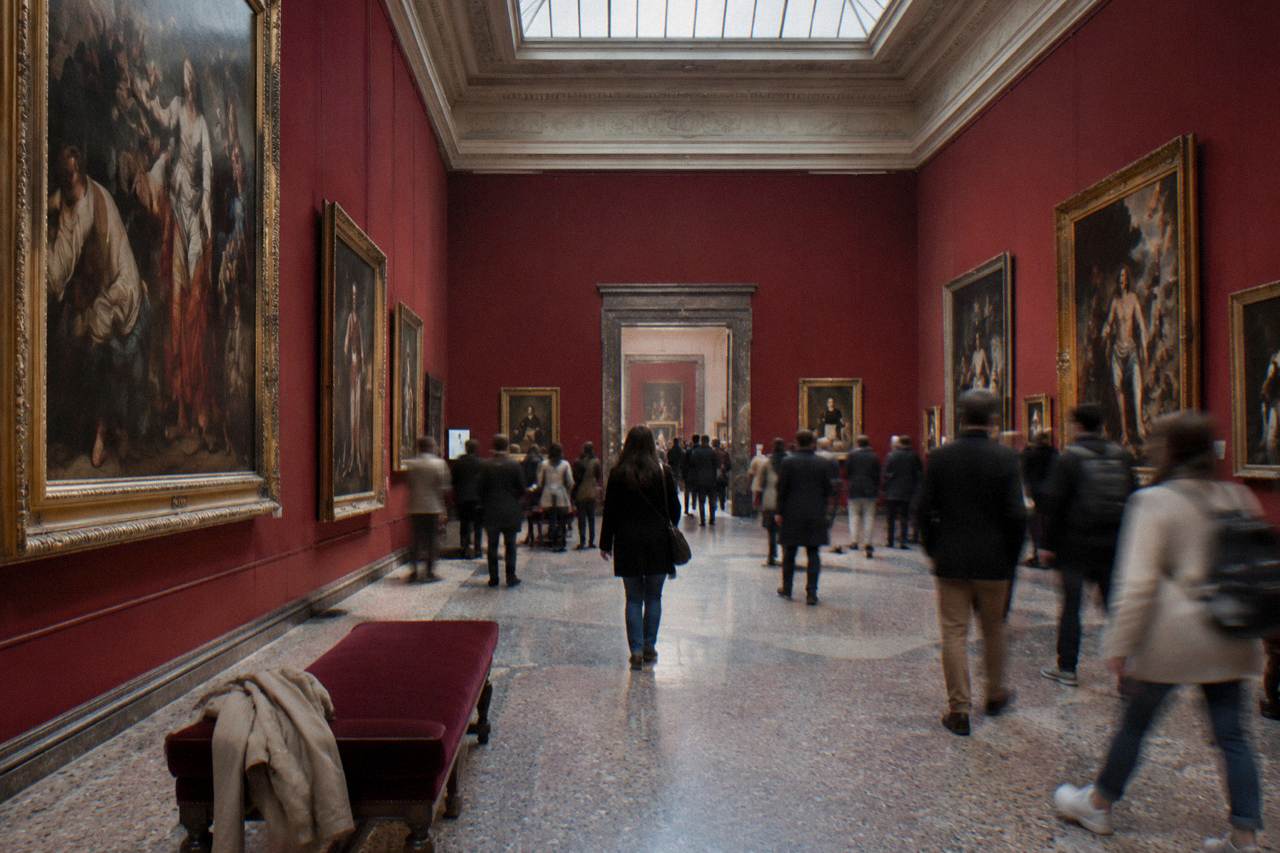
Every first Sunday of the month, something unusual happens across Italy. The Ministry of Culture opens the doors of every state-run museum and monument to the public at no charge, an initiative called Domenica al Museo. In Milan the scheme touches two of the city's most famous sights: the Pinacoteca di Brera, one of Italy's great painting collections, and the Cenacolo Vinciano, the room where Leonardo painted the Last Supper.
The catch is that everyone else knows about it too. A free Sunday at Brera means a queue around the block by mid-morning, and the Last Supper does not become a walk-in attraction just because the ticket is free. The scheme rewards visitors who plan, and punishes those who turn up hoping for the best.
This guide explains the rule itself, which Milan venues it actually covers, how the reservation systems work, and how to build a day around the free entries without spending half of it in line. It also separates the national scheme from Milan's own civic-museum free days, because the two are constantly confused and behave quite differently.
What Is Domenica Al Museo And When Does It Happen?
Domenica al Museo is a national scheme run by Italy's Ministry of Culture that grants free entry to all state-run museums and monuments on the first Sunday of every month, all year round. It remains active in 2026. In Milan it applies to state venues, principally the Pinacoteca di Brera and the Cenacolo Vinciano, and it does not automatically cover the city's civic museums, private foundations, or churches.
The scheme is simple in principle and narrow in practice. "State-run" means institutions funded and operated by the national Ministry of Culture, not by the city of Milan or by private foundations. That distinction matters enormously in a city where the most visited museums are a mix of all three. The Pinacoteca di Brera is state-run, so it participates. The Castello Sforzesco's museums are civic, run by the Comune di Milano, so they follow a different rule. The Fondazione Prada and the Museo Poldi Pezzoli are private, so they set their own policies entirely.
The official national page for the scheme lives on the Ministry of Culture site at cultura.gov.it/domenicalmuseo. Individual museums publish their own first-Sunday pages too, usually with the reservation instructions for that specific venue, and those are the pages worth reading closely because the booking requirement is where most plans fall apart.
One point that surprises visitors: the scheme runs every single month, not just in high season. A first Sunday in February is as free as one in June, and the winter dates are often far quieter. If your trip happens to straddle a month boundary, checking whether the first Sunday falls inside your stay is one of the highest-value things you can do when planning.
Which Milan Museums Are Free On The First Sunday?
Two Milan venues are covered by the national Domenica al Museo scheme: the Pinacoteca di Brera, free on the first Sunday with a mandatory reservation, and the Cenacolo Vinciano, free on the first Sunday but still requiring a booked, timed slot. Separately, Milan's civic museums, including the Castello Sforzesco collections, the Museo del Novecento and the GAM, are free for everyone on the first Sunday under the city's own scheme.
Start with the state venues, since those are what the national rule actually promises. The Pinacoteca di Brera holds one of the finest collections of Italian painting anywhere, with works by Raphael, Caravaggio, Mantegna and Bellini, and its Grande Brera ticket normally runs €15 to €20. On the first Sunday that entry is free, but the museum requires a reservation made through its own booking system, and the free slots for a popular Sunday are often gone days ahead. The booking is made via the museum's Domenica al Museo page.
The Cenacolo Vinciano is the sharper case. Leonardo's Last Supper is a state monument, so it joins the free Sunday, but the room holds a strictly limited number of viewers in timed fifteen-minute slots, and a reservation is required on every day of the year, free Sunday included. A free first-Sunday slot is genuinely available, but you have to book it, and the free-day slots are among the most contested tickets in the city. The booking runs through the official channels at cenacolovinciano.org. Never treat the free Sunday as a walk-up opportunity here, because it is not one.
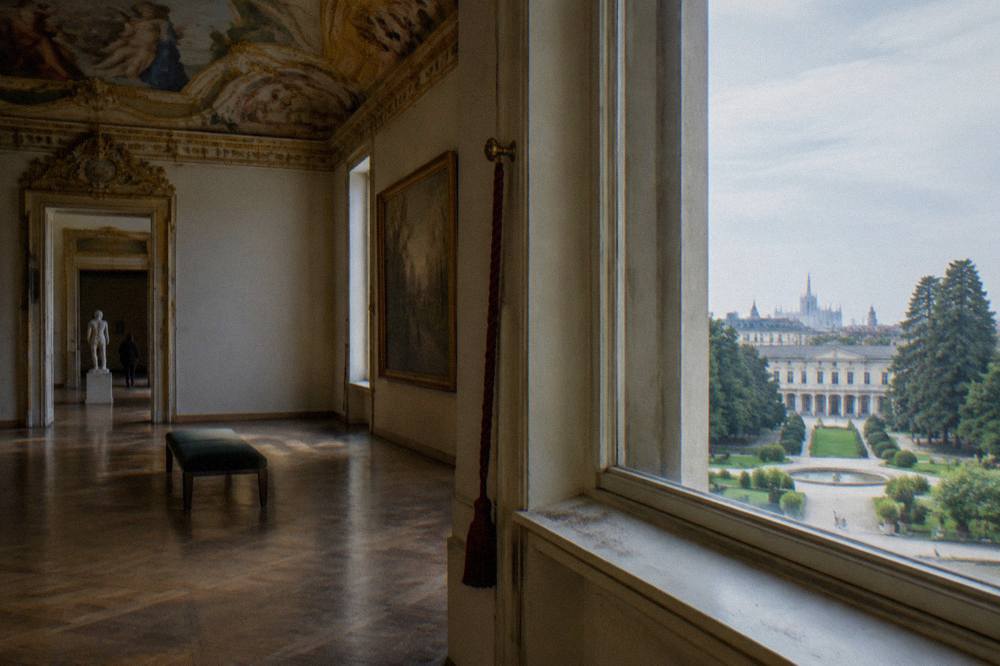
The civic side is a different scheme with a similar date. Milan's own museums, listed and explained on the Comune di Milano ticketing pages, are free for all visitors on the first Sunday of the month, and additionally free for visitors aged up to 25 on the second Tuesday. The civic family includes the museums inside the Castello Sforzesco, the Museo del Novecento overlooking the Duomo, and the GAM, the Galleria d'Arte Moderna in the Villa Reale gardens. The structure of the scheme is confirmed by the city's official pages; the individual euro figures for each civic venue shift with policy updates, so check the current full and reduced prices on the comune's own pages rather than relying on a printed number.
| Museum | Who runs it | Free first Sunday? | Reservation needed? | Normal adult ticket |
|---|---|---|---|---|
| Pinacoteca di Brera | State (Ministry of Culture) | Yes, under Domenica al Museo | Yes, mandatory booking | €15–€20 (Grande Brera) |
| Cenacolo Vinciano (Last Supper) | State (Ministry of Culture) | Yes, under Domenica al Museo | Yes, timed slot mandatory | €15 full |
| Castello Sforzesco museums | Civic (Comune di Milano) | Yes, under the civic scheme | Check the venue's page | €10 full, €5 reduced |
| Museo del Novecento | Civic (Comune di Milano) | Yes, under the civic scheme | Check the venue's page | €10 full |
| GAM, Villa Reale | Civic (Comune di Milano) | Yes, under the civic scheme | Check the venue's page | €8 full |
| Fondazione Prada | Private foundation | No | Standard ticket | €15 |
| Museo Poldi Pezzoli | Private museum | No | Standard ticket | €15 |
| Armani Silos | Private museum | Free first Sunday (own policy) | Standard ticket | €12 |
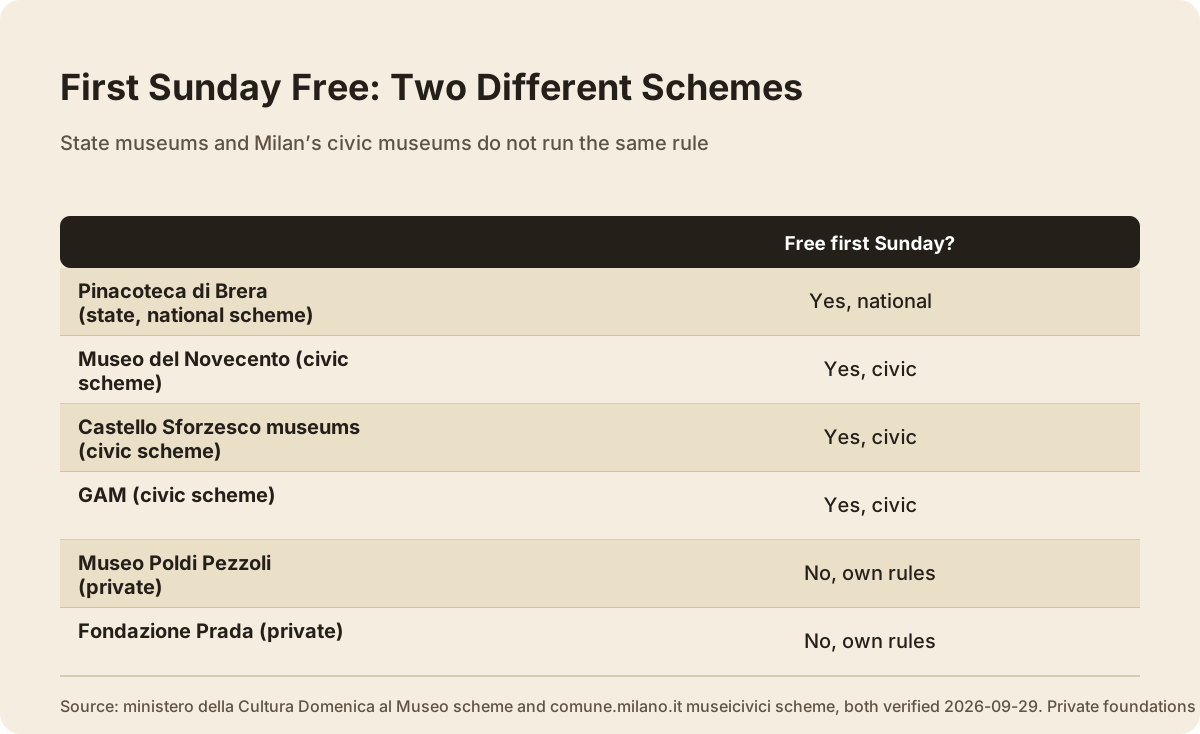
Private museums deserve one clear sentence so nobody plans around them: the Fondazione Prada, the Museo Poldi Pezzoli, the Armani Silos and the Villa Necchi Campiglio each set their own admission rules, and none of them falls under either free-Sunday scheme. The Armani Silos, for instance, runs its own free first-Sunday participation as a private initiative, which is easy to mistake for the national scheme. The Pirelli HangarBicocca, by contrast, is free every day it opens, no scheme required, which makes it the single most reliable free major art venue in the city.
If you want a structured introduction to the city before diving into museums, the pay-what-you-want walks are a natural pairing with a free Sunday, and this site's directory covers them in detail in the guide to free walking tours in Milan.
How To Reserve A Free First-Sunday Ticket
To reserve a free first-Sunday entry, use each museum's own booking channel rather than a general site: the Pinacoteca di Brera takes reservations through its Domenica al Museo booking page, and the Cenacolo Vinciano through its official reservation system with timed slots. Book several days ahead, because free-day slots at both venues are limited and the popular hours go first.
The reservation step is the part of the scheme that catches out the most visitors, so treat it as the core task rather than an afterthought. Brera's free Sunday works on a booked-slot basis, which means the museum controls the flow and the queue, while long, still moves. The booking page is linked from the museum's own site, and the reservation itself carries no charge on the free day. If you arrive without one, you may get in if the day is quiet, but on a fair-weather first Sunday the odds are poor.
The Last Supper is stricter. The refectory at Santa Maria delle Grazie admits small groups in fifteen-minute windows, every day of the year, and the reservation requirement does not pause for the free Sunday. The free-day slots are released through the same official booking system as paid tickets, and they are claimed quickly. If the first Sunday of your visit matters to you for this painting, set a reminder to book as soon as your travel dates are fixed. This site keeps a fuller treatment of the whole topic in the guide to seeing the Last Supper in Milan.
A practical ordering for the day: book the Last Supper slot first, because its times are fixed and scarce, then build the rest of the day around it. Brera's free slots are more numerous, and the civic museums on their free Sunday are generally more forgiving, so they can absorb whatever time is left. If your Last Supper slot is at 11:00, a morning at the Castello Sforzesco's courtyards, which are free every day, followed by the walk down through Parco Sempione, is a pleasant way to arrive.
| Venue | Where to book | When to book | What it costs on the free day |
|---|---|---|---|
| Pinacoteca di Brera | Museum's own Domenica al Museo booking page | Several days to a week ahead | Free, reservation required |
| Cenacolo Vinciano | Official reservation system at cenacolovinciano.org | As early as your dates allow | Free, timed slot required |
| Castello Sforzesco museums | On-site or the comune's civic museum pages | Same day is usually workable | Free for all |
| Museo del Novecento | On-site or the comune's civic museum pages | Same day is usually workable | Free for all |
| GAM, Villa Reale | On-site or the comune's civic museum pages | Same day is usually workable | Free for all |
One habit worth building for any Italian museum morning: check the venue's own opening page the evening before. First Sundays sometimes carry adjusted hours, and a museum that is normally open can run a shortened schedule on a free day to manage the crowds. The comune's pages and each museum's site are the sources that will tell you.
The Last Supper On A Free Sunday: The One Reservation You Cannot Skip
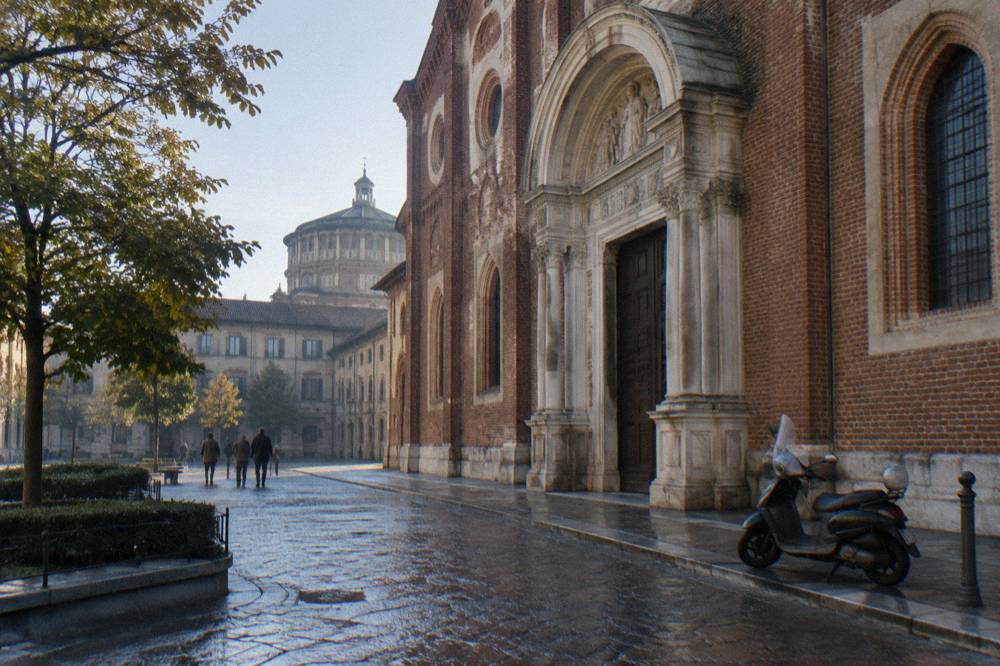
The Cenacolo Vinciano is free on the first Sunday under Domenica al Museo, but a timed reservation remains mandatory on that day exactly as on every other day. The free Sunday does not create walk-up access, and the free slots are limited to the same small timed groups as paid visits. Santa Maria delle Grazie, the church attached to the same complex, is a separate space and free to enter during normal church hours.
The two facts sit next to each other and are constantly blurred. The church of Santa Maria delle Grazie is a working Dominican church, free to enter like most Milan churches, and you can walk in outside service times without a ticket. The Cenacolo Vinciano, the refectory where Leonardo painted the Last Supper for the Dominican friars of this complex, is a separate state monument reached through its own entrance and its own booking system. Free entry to the church never implies access to the painting.
On the first Sunday, the painting's viewing joins the national scheme, and the paid ticket, normally €15 full or €2 reduced for visitors aged 18 to 25, is waived. The reservation is not waived. The room's climate control and the fragility of the wall painting dictate a strict rhythm: small groups, fifteen minutes, timed entry. Free-day slots exist within that rhythm and no more of them are created than on a paid day.
If you cannot get a free-Sunday slot, the paid route is not a defeat. A standard ticket buys the same fifteen minutes, and the reduced €2 rate for 18 to 25 year olds makes it one of the cheaper great-art experiences in Europe. Under-18s go free with a paid accompanying adult ticket. The booking system is the same either way, so watch it for released slots, since cancellations do appear, especially in the final days before a Sunday.
Civic Museums: Milan's Own First-Sunday Scheme And The Under-25 Tuesday
Milan's civic museums run a separate free scheme from the national one: free entry for everyone on the first Sunday of the month, and free entry for visitors up to age 25 on the second Tuesday of the month. This covers the Castello Sforzesco's interior collections, the Museo del Novecento and the GAM, and it is administered by the Comune di Milano, not the Ministry of Culture.
The civic scheme is the more generous of the two for most visitors, because it covers more venues and the second-Tuesday clause gives young visitors a second free shot each month. The city's policy, updated in the first half of 2026, also keeps a standing list of always-free categories: under-18s and high school students, visitors with disabilities plus a companion, teachers with proof, EU-licensed guides and ICOM members. Some civic collections are free every day regardless, including the Boschi Di Stefano house museum and the permanent collection at Palazzo Morando. Other pages covering the same trip are gathered on Free Things To Do In Milan.
The distinction that matters most at the castle: the courtyards and grounds of the Castello Sforzesco are free and open every day, roughly 7:00 to 19:30, and always have been. The museums inside the castle buildings, the sculpture and applied arts collections, the archaeological museum and the musical instrument collection among them, are paid civic venues, free only under the civic scheme's dates. Someone who hears "the castle is free" and expects the museums is conflating two different things, and the same conflation runs in reverse with people paying for a courtyard walk that costs nothing.
| Civic venue | What it holds | Free first Sunday | Free second Tuesday (under 25) | Free every day? |
|---|---|---|---|---|
| Castello Sforzesco museums | Sculpture, applied arts, archaeology, instruments | Yes | Yes | No, paid otherwise |
| Museo del Novecento | Modern Italian art, from Futurism onward | Yes | Yes | No, paid otherwise |
| GAM, Villa Reale | Italian painting and sculpture of the modern era | Yes | Yes | No, paid otherwise |
| Boschi Di Stefano | Mid-century Italian art in a house museum | Yes | Yes | Yes, always free |
| Palazzo Morando, permanent collection | Milan history and costume | Yes | Yes | Yes, always free |
For a fuller sweep of the city's free and cheap art options beyond the scheme days, including the private museums and how their prices compare, see the guide to the best free and budget museums in Milan.
How To Avoid The Lines On A Free Museum Sunday
To avoid the worst queues on a first Sunday, book Brera and the Last Supper well in advance, arrive at civic museums either at opening or after 15:00, and leave the Duomo complex and the Galleria for the early morning or the evening, when the day-trip crowds thin. The single biggest lever is timing: the 10:00 to 13:00 window is the busiest at every free venue in the city.
Free days change the rhythm of a city. Locals who might skip a paid museum will go when it costs nothing, so the crowds on a first Sunday are not only tourists. The practical response is to work the edges of the day. Museums at opening are busy but orderly, especially with a reservation; museums after lunch are often calmer than the late morning; and the two hours before closing can be the quietest of all.
The second lever is geography. Brera, the Duomo, the Galleria and the castle all sit within a twenty-minute walk of each other, which means a free Sunday funnels everyone into the same compact zone. Venues slightly out of the centre, the GAM in the Villa Reale gardens, or the Pirelli HangarBicocca in the Bicocca district, stay far quieter, and HangarBicocca is free every day anyway, so a first Sunday gains you nothing there and costs you nothing either.
The third lever is pairing a walk with the museums. A pay-what-you-want walking tour gives the morning structure and delivers you to the museum district with a guide's context already in place. The Classic & Monumental Milan walk, a GuruWalk listing rated 4.77 out of 5 across 303 GuruWalk reviews, runs two and a half hours in English and Spanish and meets on Via Croce Rossa, a short walk from both the Duomo and the castle grounds. It covers the monumental core that the civic museums then explain from the inside.
The longer option in the same family is the Wonders of Milan walk, rated 4.9 out of 5 across 2,916 GuruWalk reviews, which runs two hours and 45 minutes in English and Spanish from Piazza del Duomo. It is the most-reviewed walk in the city's free-tour directory, and its route overlaps neatly with the free-Sunday museum zone, so a morning walk followed by an afternoon of free museum entries makes a coherent day.
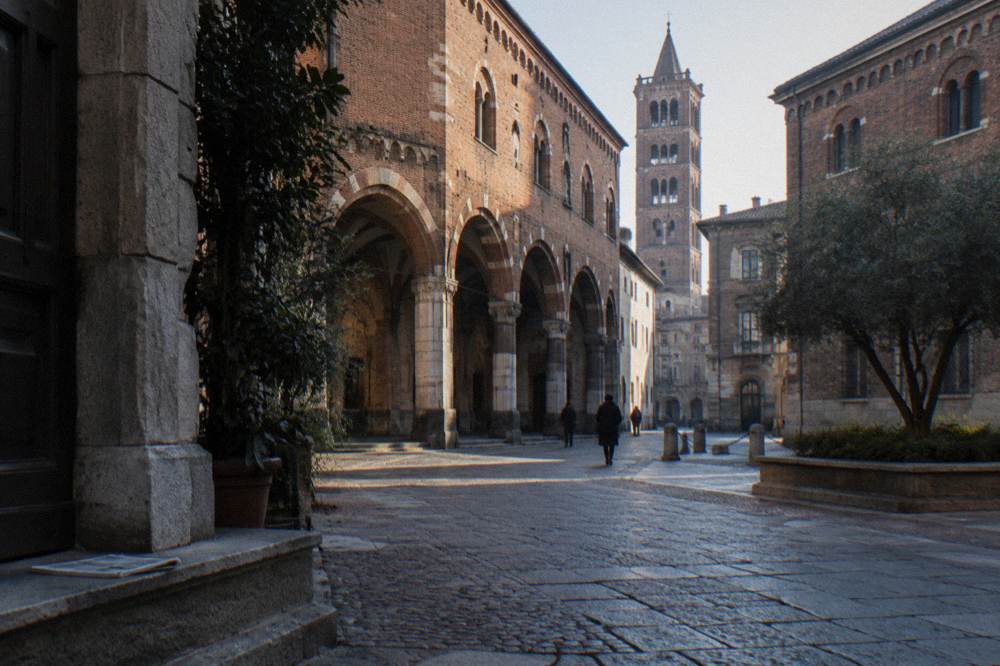
If the schedule is tight instead, a shorter walk fits the gaps between museum slots. The 1H30 On-Foot Walk, a GuruWalk listing rated 4.93 out of 5 across 40 GuruWalk reviews, runs ninety minutes in English from Largo Ildefonso Schuster and works as a compact orientation before a museum afternoon.
What Is Actually Free Every Day, Not Just First Sundays
A large share of Milan's best sights are free every day of the month with no scheme attached: Piazza del Duomo, the Galleria Vittorio Emanuele II, the Castello Sforzesco courtyards, Parco Sempione, the Colonne di San Lorenzo, the Navigli canals and the Darsena, plus the churches of Sant'Ambrogio, San Maurizio al Monastero Maggiore and Santa Maria presso San Satiro. The first Sunday adds museums on top of this base, it does not create it.
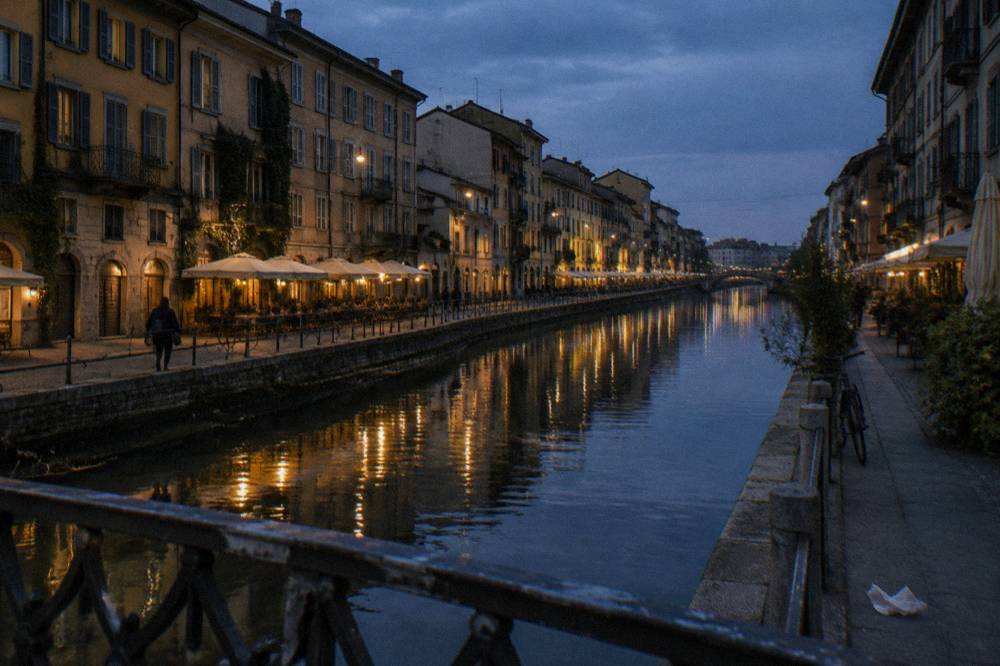
This matters for planning. If your visit misses the first Sunday, you lose Brera and the civic museums at zero cost, but you keep almost everything else on this list. The Galleria Vittorio Emanuele II, the glass-vaulted shopping gallery linking Piazza del Duomo and Piazza della Scala, is a public passage and free to walk at any hour. The Colonne di San Lorenzo, the Roman columns in front of the basilica of the same name, sit in an open square. The Navigli canal district and its evening aperitivo scene cost nothing to wander, and this site covers it in the guide to Navigli, Milan's free canal district.
The churches deserve special attention from art lovers on a non-free Sunday, because they hold some of the city's finest painting at no charge. San Maurizio al Monastero Maggiore, often called the Sistine Chapel of Milan for its dense fresco cycle, is free to enter. Santa Maria presso San Satiro contains Bramante's celebrated trompe l'oeil chancel, a perspective trick that makes a few metres of depth look like a soaring apse, and it is free too. Sant'Ambrogio, the city's most ancient basilica, opens its nave freely, with any paid areas such as a museum or crypt following standard church rules.
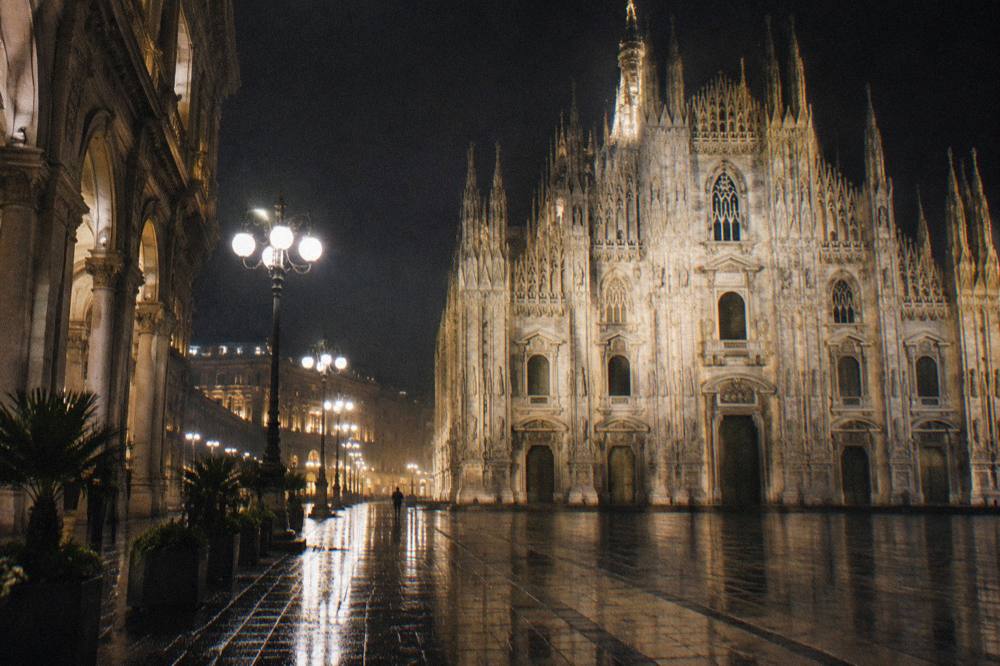
The Duomo is the one to be precise about. The piazza is free, the cathedral's tourist entry is a paid ticket, the rooftop terraces are a separate paid ticket, and a prayer-only entrance exists outside tourist hours with its own rules. The Duomo Museum closes on Wednesdays and has its own free day on the last Sunday of the month with a reservation, a separate arrangement from the national scheme. This site breaks the whole question down in the guide to whether the Duomo is free.
| Sight | Free every day? | Notes |
|---|---|---|
| Piazza del Duomo | Yes | Open public square |
| Galleria Vittorio Emanuele II | Yes | Public passage, open during gallery hours |
| Castello Sforzesco courtyards and grounds | Yes | Grounds open roughly 7:00–19:30; museums inside are paid |
| Parco Sempione | Yes | Public park behind the castle |
| Colonne di San Lorenzo | Yes | Open square with Roman columns |
| Navigli, Vicolo dei Lavandai, Darsena | Yes | Public streets and dock |
| San Maurizio al Monastero Maggiore | Yes | Frescoed church, free entry |
| Santa Maria presso San Satiro | Yes | Bramante's perspective chancel |
| Duomo interior, tourist entry | No | Paid ticket, separate from the free piazza |
A Practical Free-Sunday Plan For Milan
A workable free-Sunday plan books the Last Supper slot first, spends the morning in one museum district rather than three, uses the free castle courtyards and Parco Sempione as connective tissue between venues, and ends in the Navigli or at the Darsena, which cost nothing in the evening. Trying to combine Brera, the castle museums and the Last Supper in one day is possible with reservations, but it leaves no room for the queues that free days generate.
Here is the shape of a day that works. Book the Last Supper for late morning. Start early at the Castello Sforzesco, walking the free courtyards before the civic museums open, then visit one castle collection if the free Sunday applies. Walk down through Parco Sempione to the Arco della Pace, then cut back across town to Santa Maria delle Grazie for the reserved Last Supper slot. After lunch in the Brera district, use the afternoon for the Pinacoteca if you hold a free-day reservation, or for the GAM and the Villa Reale gardens if you would rather avoid the state museum's peak.
The evening needs no scheme at all. The Brera district's streets, Piazza Mercanti with its medieval loggia, and the walk down to the Colonne di San Lorenzo are all free, and the Navigli aperitivo hours turn the canals into the city's best free spectacle. A first Sunday in Milan can plausibly run from 8:00 to 23:00 with the only mandatory spend being lunch.
For visitors who want the same itinerary logic spread over a fuller day, this site's guide to a free one-day Milan itinerary covers the sequencing in more detail, including where the pay-what-you-want walks slot in.
If a guided morning would help the day along, the walks below are all pay-what-you-want listings on GuruWalk and freetour.com, each covering ground that pairs naturally with a museum afternoon.
Common Questions About Free First-Sunday Museums In Milan
Is The Last Supper Free On The First Sunday Of The Month?
Yes, under the national Domenica al Museo scheme, but a timed reservation is still required on the free day exactly as on every other day. Free-day slots are limited and book out quickly, so reserve as early as your travel dates allow through the official Cenacolo Vinciano booking system.
Which Museums In Milan Are Free On The First Sunday?
The national scheme covers the state venues: the Pinacoteca di Brera and the Cenacolo Vinciano. Separately, Milan's civic museums, including the Castello Sforzesco collections, the Museo del Novecento and the GAM, are free for everyone on the first Sunday under the city's own scheme. Private museums are not covered by either.
Is The Castello Sforzesco Free On The First Sunday?
The courtyards and grounds are free every day. The museums inside the castle are paid civic venues, free for everyone on the first Sunday of the month and free for visitors up to 25 on the second Tuesday.
Do I Need A Reservation For Free Museum Entry In Milan?
For the Pinacoteca di Brera, yes, a booking is mandatory on the free Sunday. For the Cenacolo Vinciano, a timed reservation is mandatory every day, free Sunday included. The civic museums generally work on-site on their free days, though checking the venue's page the evening before is wise.
Is The Pinacoteca Di Brera Free On The First Sunday?
Yes, the Pinacoteca di Brera is a state museum and joins Domenica al Museo, with free entry on the first Sunday of the month. The reservation is mandatory and is made through the museum's own booking page, and free slots go days before a popular Sunday.
What Is Free In Milan If My Visit Misses The First Sunday?
Plenty. Piazza del Duomo, the Galleria Vittorio Emanuele II, the castle courtyards, Parco Sempione, the Colonne di San Lorenzo, the Navigli and the Darsena are free every day, as are the churches of San Maurizio al Monastero Maggiore, Sant'Ambrogio and Santa Maria presso San Satiro. The Pirelli HangarBicocca is also free daily.