Aperitivo In Milan On A Budget: How The Custom Works And Where It Pays Off
Aperitivo is the one Milan tradition built for small budgets, but only if you know which version you are buying.
Short answer
Aperitivo in Milan means a pre-dinner drink, usually between about 6pm and 9pm, often with a buffet of small food included in the drink price. Value varies sharply by neighbourhood. Pairing the custom with free sights and pay-what-you-want walking tours keeps a full evening out at the cost of one drink.
Milan invented or at least perfected the ritual where a drink and a plate of food blur into one purchase. The word aperitivo comes from the Latin for "open", the idea being that a bitter drink opens the appetite, and the Milanese version attached a buffet to it decades ago. For a visitor watching a budget, this is the single best-value dining format the city offers, but the gap between a genuine aperitivo and a bar selling an expensive spritz with three crisps is wide, and it is worth knowing exactly what you are walking into.
How Does The Aperitivo Custom Actually Work In Milan?
Aperitivo in Milan works like this: between roughly 6pm and 9pm, you order and pay for a drink at its normal price, and food comes included on the side, either as a small plate brought to your table or as a self-service buffet. The drink is what you pay for, the food is bundled in, and the ritual is meant to end before dinner, not replace it.
The mechanics matter more than the mythology. In its classic form you order one drink, a Negroni, an Americano, a glass of wine or a spritz, and the bar brings olives, crisps, small focaccia pieces or points you at a buffet counter. The Milanese historically treated this as a bridge to dinner at home, which is why portions were modest and prices close to a standard drink. Some bars now run a heartier format where the buffet genuinely substitutes for dinner, especially in student-heavy areas, and a few have quietly turned the custom into a cover charge for a modest spread.
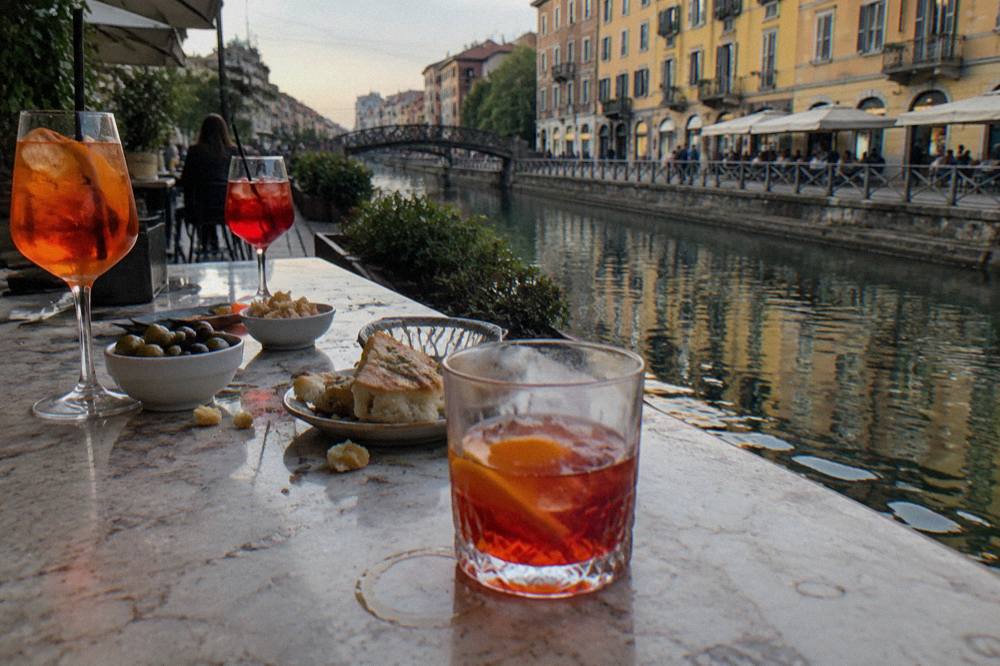
Two habits keep it cheap. First, standing at the bar or outside on the street is often priced lower than sitting at a table with table service, a pattern that holds across Italy. Second, one drink with full buffet access is the deal; ordering a second soft drink or water at table service can cost nearly as much as the first round. Tipping is not obligatory at an Italian bar, though rounding up a euro or two at a served table is normal and appreciated.
The honest warning is that "aperitivo" is not a regulated term. A bar can call a €10 glass of prosecco with a bowl of nuts an aperitivo and nobody can stop it. The reliable signal is a visible buffet and a crowd of locals eating from plates rather than tourists holding one drink. Where the buffet is real, one drink plus restraint at the counter is the closest thing Milan has to a cheap dinner.
The drinks themselves have a pecking order worth knowing before you order. The Milanese classics are the Negroni and the Americano, both bitter, both built for the appetite-opening theory, while the spritz is the Venetian import that now dominates visitor orders. A bar that makes its Negroni properly is usually a bar that takes the food side seriously too, and asking which bitter the house pours is a fair question before you commit to the buffet.
Where Does Aperitivo Give Genuine Value In Milan?
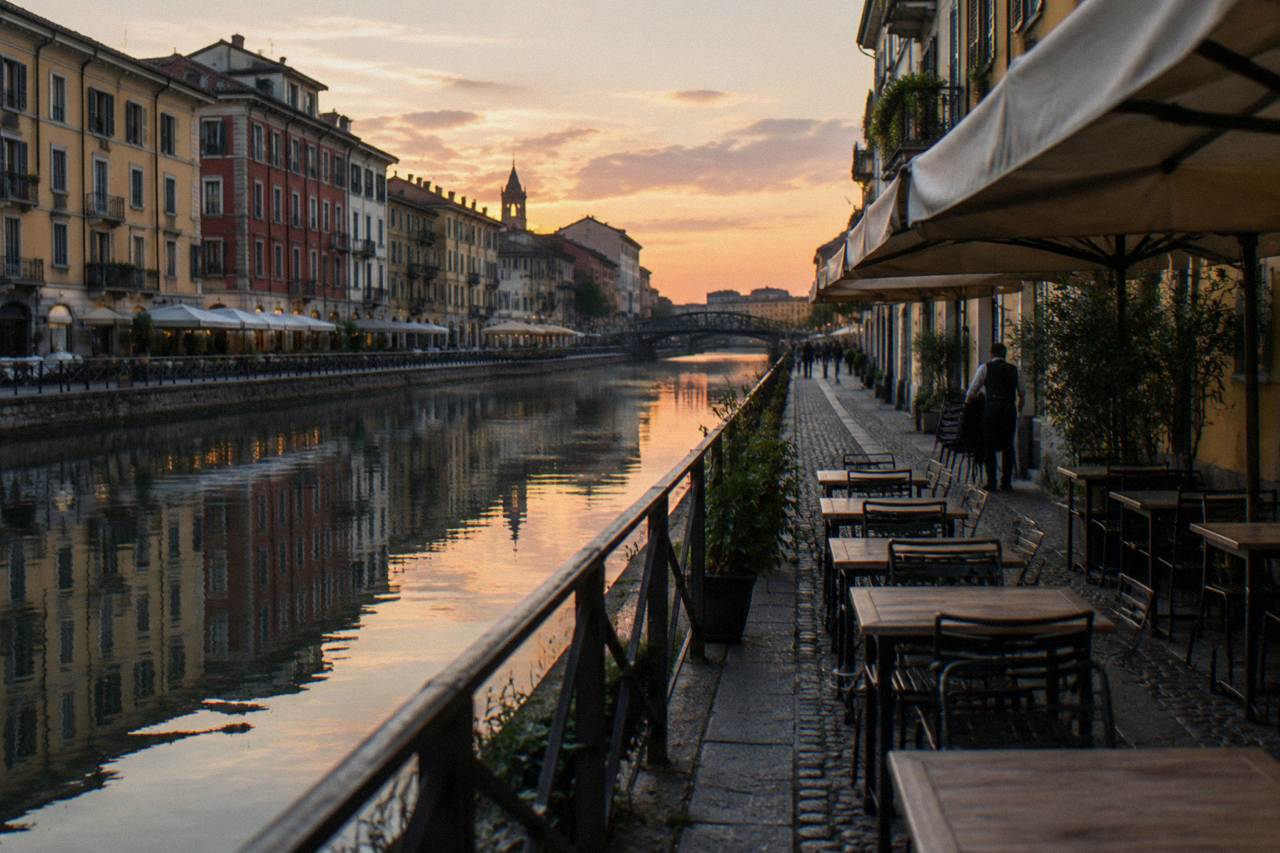
Genuine value concentrates in three places: the Navigli canal district, where competition between bars keeps buffets generous; the Isola district, where a younger local crowd sustains honest, filling spreads; and the area around Piazza Gae Aulenti and Corso Como, where the setting is spectacular and the format leans stylish but the bundled food thins out. Brera sits between the extremes, atmospheric and moderately priced. The pattern to remember is that value tracks competition and local foot traffic, not decor.
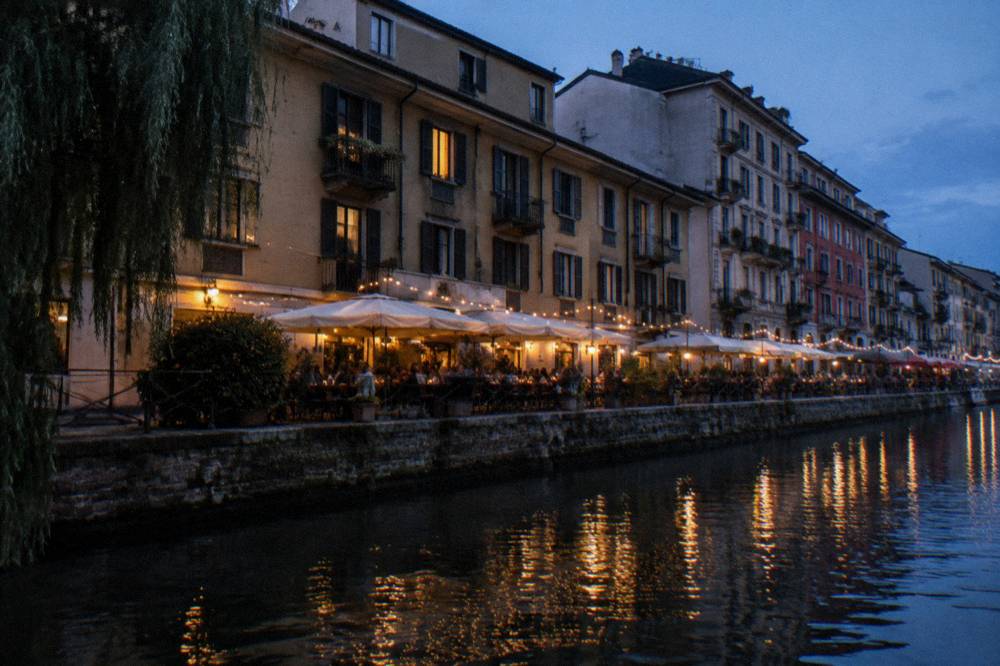
Navigli is the headline act because dozens of bars face each other across the water and the walk between them costs nothing. If a buffet looks thin, the next doorway is ten steps away, and that competitive pressure is exactly what keeps spreads honest here. The canal district itself is free to wander: the Naviglio Grande, the Vicolo dei Lavandai with its old washing house, and the Darsena dock are all public space, and our Navigli free canal district guide maps the whole stretch on foot.
Isola is the connoisseur's answer. The district around the street market has a resident, student-leaning clientele that will not pay decorative prices, and the bars reflect that. It also sits beside the Biblioteca degli Alberi park and the Bosco Verticale towers, both free, so an evening can open with a walk through the tree-lined park and end with a plate and a glass a few minutes away.
| Area | Scene | Aperitivo value | Free things on the same walk |
|---|---|---|---|
| Navigli | Canal-side, busy, tourist-heavy | Strong, competition keeps buffets real | Naviglio Grande, Vicolo dei Lavandai, Darsena |
| Isola | Local, young, market streets | Strongest for filling food | Biblioteca degli Alberi, Bosco Verticale exterior, Isola streets |
| Brera | Atmospheric, art district | Moderate, priced for the setting | Piazza Mercanti, Orto Botanico di Brera, church interiors |
| Porta Nuova / Corso Como | Sleek, corporate, modern | Weakest food-to-price ratio | Piazza Gae Aulenti, Bosco Verticale exterior |
| Duomo / Galleria | Grand, central | Mostly a drink with a view | Piazza del Duomo, Galleria Vittorio Emanuele II |
Brera deserves its own sentence of caution: the district is lovely, the lanes around it are free to explore, and the Pinacoteca di Brera is free on the first Sunday of the month under the national Domenica al Museo scheme, with a mandatory reservation through the museum's booking site. The bars, though, charge for the atmosphere. A drink with a view of the gallery quarter is a fine purchase, just not the city's best food value.
The Porta Nuova end of town is where the custom gets expensive. The plaza around the Bosco Verticale is one of the most photogenic free spaces in the city, but the bars facing it sell the skyline in the glass. Go for the walk, take the photo, then head down towards Isola for the plate.
Which Milan Neighbourhood Pairs Best With A Guided Walk Before Drinks?
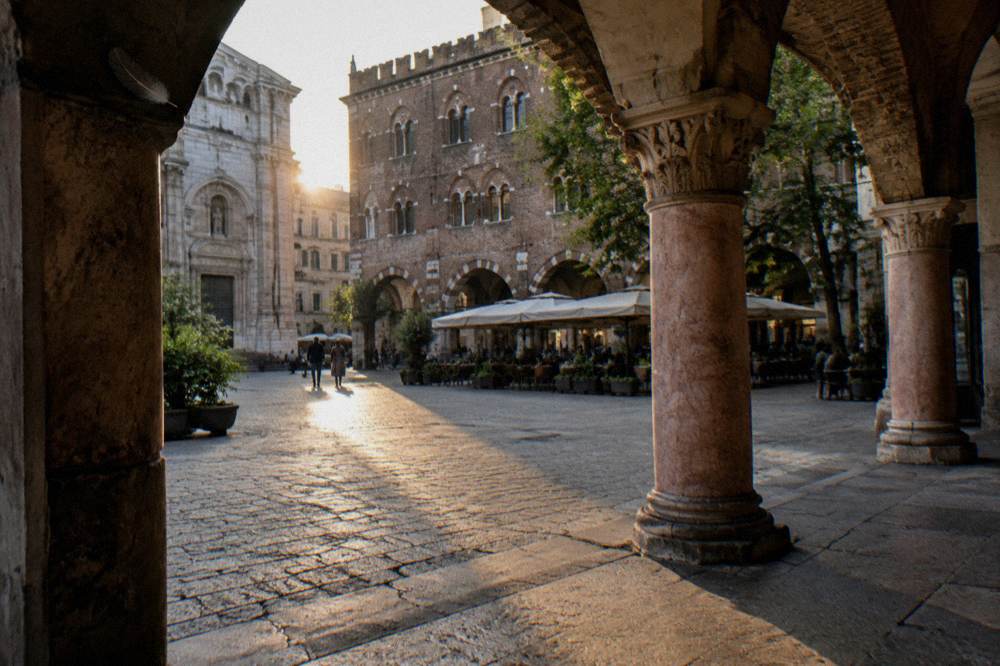
The best pairing is a pay-what-you-want walking tour that ends in or near your chosen aperitivo ground: the Coffee Culture Highlights Walk covers central Milan and the historic café quarter for two hours and meets at Piazza dei Mercanti by the Loggia degli Osii, where a guide with a pink umbrella gathers the group, leaving you mid-centre with the evening free. Milan's free walks are genuinely free, tips-only, and they solve the timing problem an aperitivo evening creates, which is what to do with the two hours before the bars fill.
The coffee-culture walk is the natural aperitivo companion because it is about Milan's drinking culture in the first place. It runs on GuruWalk, it is rated 4.91 out of 5 across 565 GuruWalk reviews, it lasts two hours, and it is led in English. Because it is pay what you want, you reserve a place, walk, and decide at the end what the tour was worth to you, which is the same logic as the aperitivo buffet: the price is set by what you judge the experience to be.
The meeting point is a detail worth repeating because it is how you actually find the guide: Piazza dei Mercanti, Loggia degli Osii, pink umbrella. That square is itself one of the free sights of central Milan, a medieval merchant square two minutes from the Duomo, and the walk's ground overlaps with the best free things to see in Milan, so the transition from tour to table is a short stroll rather than a metro ride.
If your evening starts later, the shorter options fit better. The Express Walk, run by the Frog Free Walking Tour on GuruWalk, lasts an hour and a half and meets at Largo Ildefonso Schuster; it is rated 4.46 out of 5 across 973 GuruWalk reviews. The Morning and Afternoon Walk from the same operator, 4.5 out of 5 across 273 GuruWalk reviews, meets at the Street of the Hours, Via delle Ore, and the afternoon slot lands you in the city centre right as aperitivo hours begin.
What Does Free Really Mean Around An Aperitivo Evening?
Free in aperitivo context means three different things that get confused: the walking tours are pay what you want, with no fixed price at all; the streets, squares and canals you drift through cost nothing; and a few of the museums you might visit beforehand are free only on scheduled days, such as first Sundays for state museums under Domenica al Museo or first Sundays for civic museums under Milan's own scheme. Only the first two are free tonight with no conditions.
The conditional category is where visitors get caught. The Castello Sforzesco courtyards and grounds are free at all times, but the civic museums inside the castle are paid and only free on the scheme days; the castle's own ticketing page at milanocastello.it spells out the split. The Duomo's interior as a tourist is a paid ticket, and the rooftop terraces are a separate, higher one, while the Galleria Vittorio Emanuele II next door is a public passage you can walk through freely at any hour. An aperitivo route that strings together the genuinely free pieces costs nothing but shoe leather.
| Free claim | What it actually means | Condition to watch |
|---|---|---|
| Free walking tour | Pay what you want, tip the guide at the end | Reserve a spot; popular walks fill up |
| Free squares and canals | Public space, open all evening | None |
| Castle grounds free | Courtyards and exterior only | Museums inside are paid, civic scheme |
| First-Sunday museum free | State museums like Brera and the Cenacolo Vinciano | Booking required; the Last Supper needs a timed reservation even on its free day |
| Civic museum free days | Milan's own scheme, first Sunday all visitors | Second-Tuesday free applies to under-25s |
The Last Supper deserves its blunt warning because it sits on several aperitivo routes near the Magenta quarter. The Cenacolo Vinciano is free on the first Sunday of the month under Domenica al Museo, but a timed reservation is still required even on the free day, and on every other day it is a paid, booked entry. The church of Santa Maria delle Grazie next door is a separate fact: free to enter as a working church during normal hours. The two never blur into one.
One genuinely unconditional gem sits slightly out of centre: Pirelli HangarBicocca, the vast contemporary art space, states free admission with no ticket required on its own site, and it is one of the few major venues in the city where free means free. An afternoon there followed by an Isola aperitivo is about as inexpensive as a cultured Milan day gets.
How Much Should A Budget Aperitivo Evening Cost In Total?
A budget evening built properly costs one drink plus whatever you choose to tip a guide, because the walk is pay what you want, the route between sights is public space, and the buffet comes with the drink you were buying anyway. The realistic planning range for the drink itself varies by neighbourhood and bar, so treat any single quoted price as one bar's policy rather than the city's. The point of comparison is what the same evening costs when each piece is ticketed.
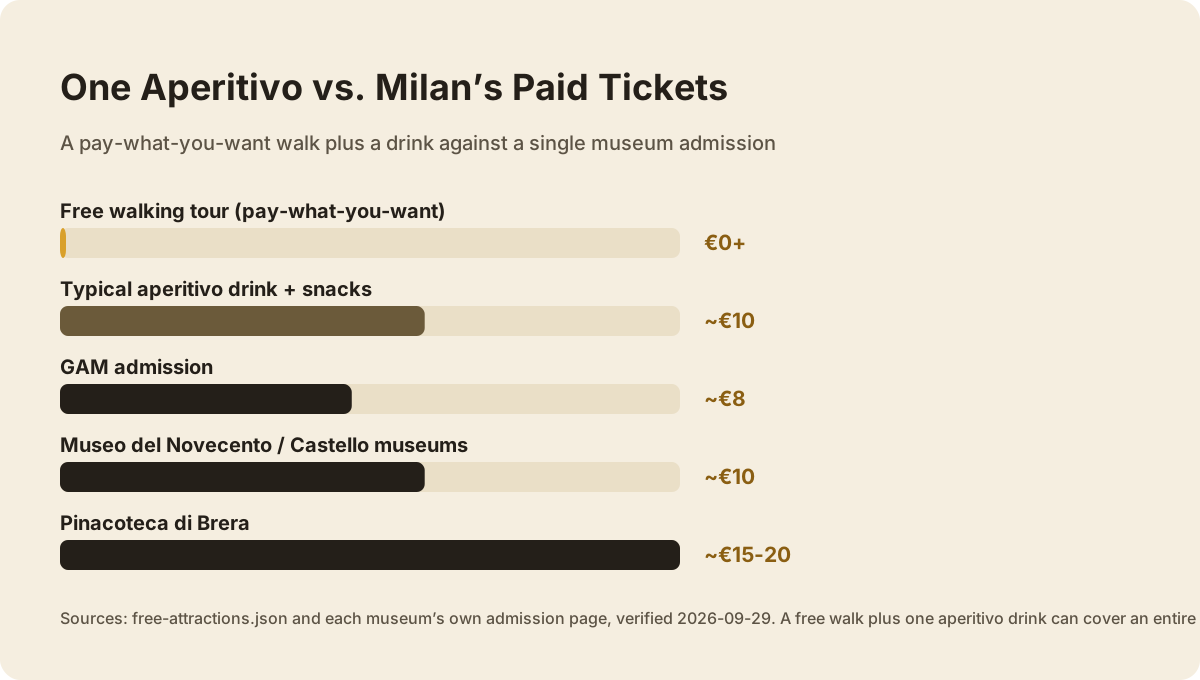
Put the paid alternatives side by side and the arithmetic is blunt. The Duomo interior and museum ticket runs roughly €8 to €10 depending on the day, the rooftop by stairs around €16, and combined options climb from there, per the cathedral's own pricing page. The civic museums charge in the €5 to €10 band under the current civic policy, with reductions for visitors aged 18 to 25, students and over-65s, and free entry always for under-18s. None of that is a complaint about the prices, they fund real institutions, but it frames what a pay-what-you-want evening is worth.
| Evening component | Budget version | Paid alternative |
|---|---|---|
| Late-afternoon activity | Pay-what-you-want walking tour | Guided paid tour or ticketed sight |
| Sightseeing en route | Public squares, canals, castle grounds | Duomo interior and terraces, civic museums |
| The aperitivo itself | One drink with buffet included | Two rounds at table service with no buffet |
| After-dark finish | Free night walk, Navigli and Colonne di San Lorenzo | Paid nightlife, cover charges |
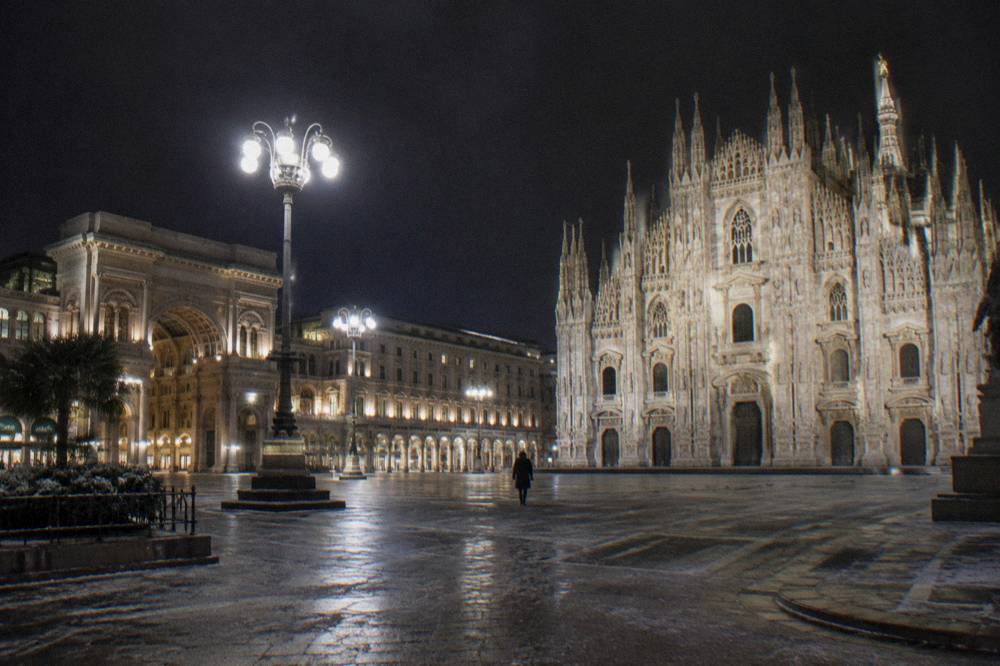
The evening that maximises all of this starts at the Duomo square, which is free, threads through the Galleria, also free, and can begin with a guided walk. The 2H45 Wonders Walk, run by CITYWALKERS on GuruWalk, is the longest of the featured options at 2 hours and 45 minutes, rated 4.9 out of 5 across 2,916 GuruWalk reviews, in English and Spanish, meeting at Piazza del Duomo 6. It is the walk that ends you deepest into the centre with the most context loaded, which is precisely the state you want before choosing a bar.
For the budget itself, the honest framing is this: the walk costs a tip you set, the route costs nothing, and the drink is the only fixed line item. Anyone who tells you an exact citywide aperitivo price is describing one bar. Check the menu on the door, look at the buffet before you commit, and let the plate in front of the locals be the guide the guidebooks cannot give you. Our Milan on a budget cost breakdown extends the same arithmetic to a full day.
Can You Build A Whole Free Evening Around Aperitivo Hours?
Yes, and the sequence writes itself: a pay-what-you-want walk in the late afternoon, free public space as the sun drops, aperitivo as the single paid moment, and a free night walk afterwards, since the Navigli, the Colonne di San Lorenzo and the Duomo square are all at their best after dark and cost nothing to see. Milan at night is unusually generous to walkers, and free things to do in Milan at night maps the full after-dark circuit.
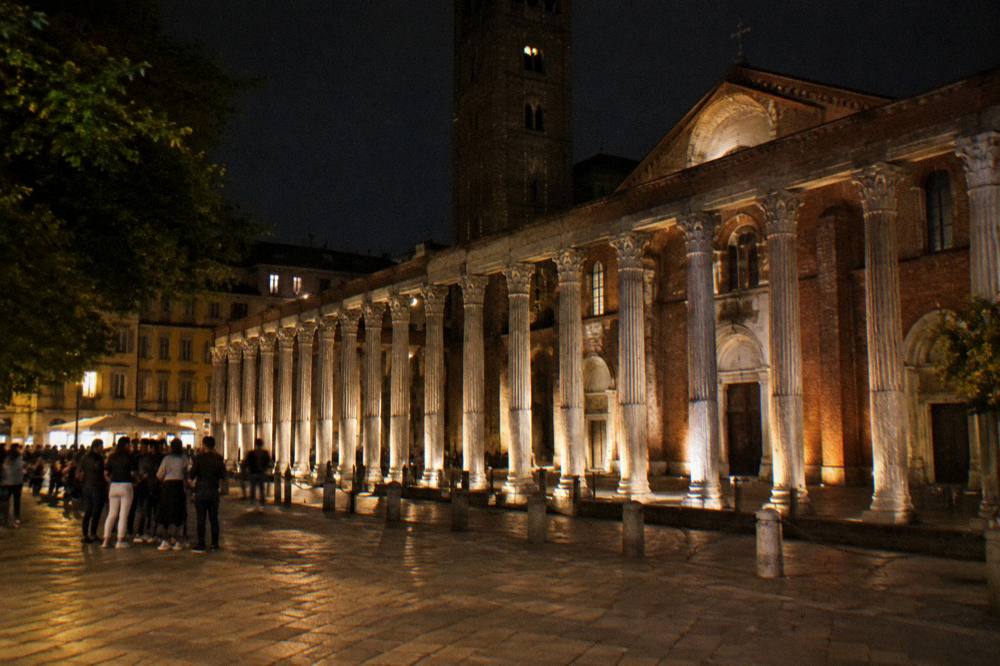
The classic route runs Colonne di San Lorenzo first, the Roman columns are floodlit and free, then down to the Darsena and along the Naviglio Grande as the bars light up. That is the whole aperitivo ground in one walk. Afterwards, the streets stay lively late and the canal reflections are the free dessert. The fashion district makes a quieter alternative: the Wonderfull Milan Free Tour, run by Fabrice on freetour.com, is rated 9.4 out of 10 across 562 freetour.com reviews, lasts an hour and 45 minutes, and meets at Palazzo Morando on Via Sant'Andrea 6, right in the middle of the golden quadretto, so the walk ends a few streets from some of the city's most polished aperitivo rooms.
Two practical notes close the planning. First, Sundays change the museum arithmetic: state museums like the Pinacoteca di Brera are free the first Sunday of the month with a mandatory booking, per the Domenica al Museo scheme, so a first-Sunday visit followed by a Navigli aperitivo is the cheapest full day Milan offers a first-time visitor. Second, reserve the walk before you reserve the bar. The featured walks run on fixed schedules and the popular slots go first, while the bars of Navigli will still be standing when the tour ends. A site like Free Things To Do In Milan exists exactly for the evenings where one drink has to carry a whole night out, and aperitivo is the custom that makes that possible.
The three walks below cover the ground from three different angles, and any one of them drops you into the evening with the city already explained.
Common Questions About Aperitivo In Milan
What Time Does Aperitivo Start In Milan?
Aperitivo hours run roughly 6pm to 9pm, before the Milanese dinner hour. Bars fill from around 6.30pm, and the buffet is typically put out for that window only, so arriving at the start of the window gives the fullest spread.
Is The Buffet Really Included In The Drink Price?
In a genuine aperitivo bar, yes: the food is bundled with the drink and there is no separate charge. But the custom is not regulated, so check for a stated coperto or buffet surcharge on the menu before ordering, and treat a bar with no visible food as a bar, not an aperitivo.
Which Milan Neighbourhood Is Cheapest For Aperitivo?
Isola and the Navigli district give the best food-to-drink value. Isola has a local, price-conscious clientele, while Navigli has enough competing bars facing each other across the canal that thin buffets do not survive.
Can One Aperitivo Drink Replace Dinner?
At a buffet-style bar, often yes in practice, and plenty of visitors plan it that way. The polite local version is a lighter plate before dinner, but at the heartier student-area bars a single drink plus the buffet is a recognised budget dinner.
Are The Free Walking Tours Actually Free?
They are pay what you want: you reserve a place at no charge, take the walk, and tip the guide what you think it was worth at the end. Nine of the ten walks listed on this site run on GuruWalk and one on freetour.com, and none charges an upfront price.
What Should I Do After Aperitivo With No Money Left?
Walk. The Colonne di San Lorenzo, the Darsena, the Naviglio Grande, Piazza del Duomo and the Galleria Vittorio Emanuele II are all free public space at their best after dark, and they sit within a single evening's circuit of the main aperitivo grounds.